Söderfors
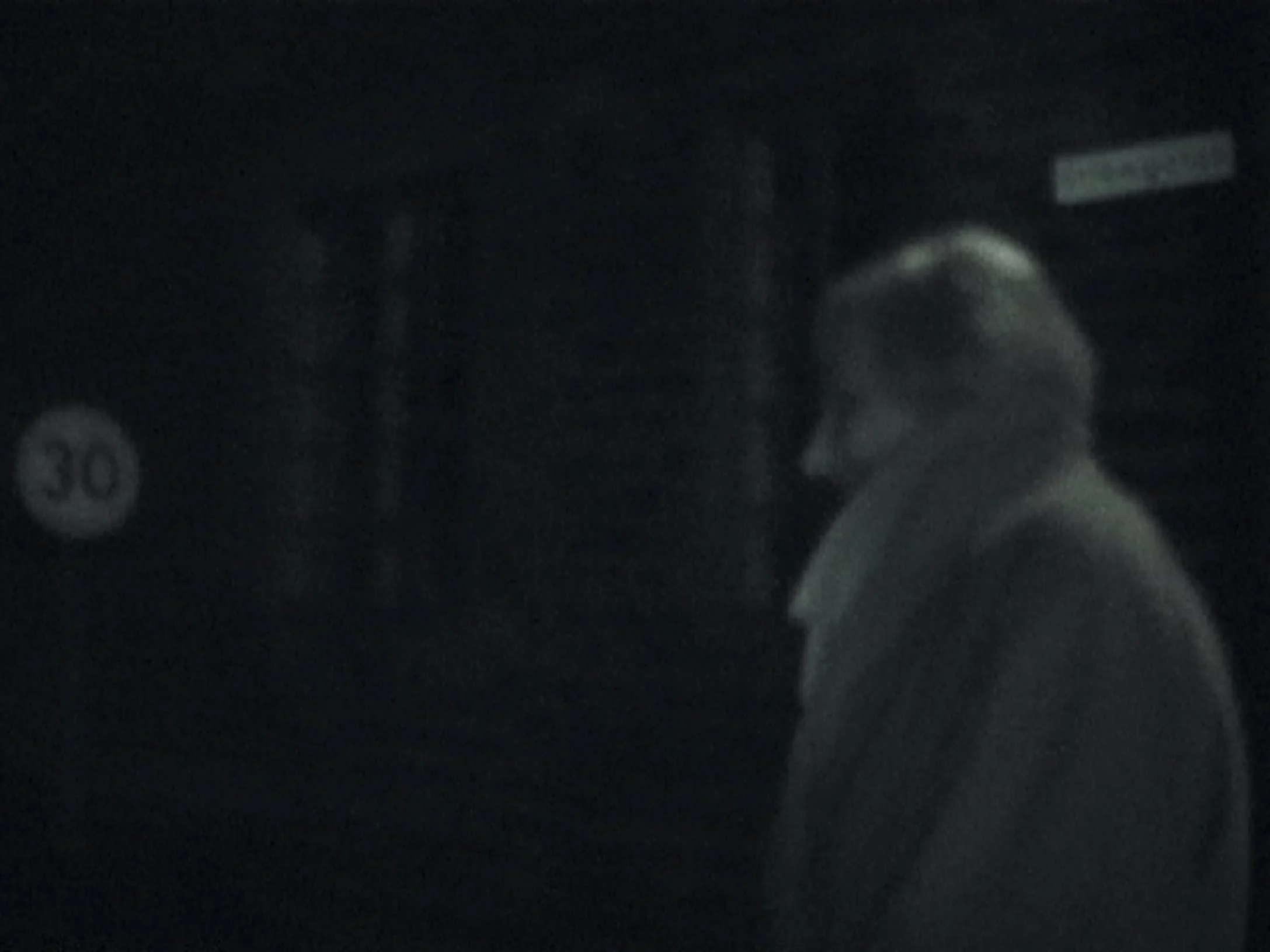
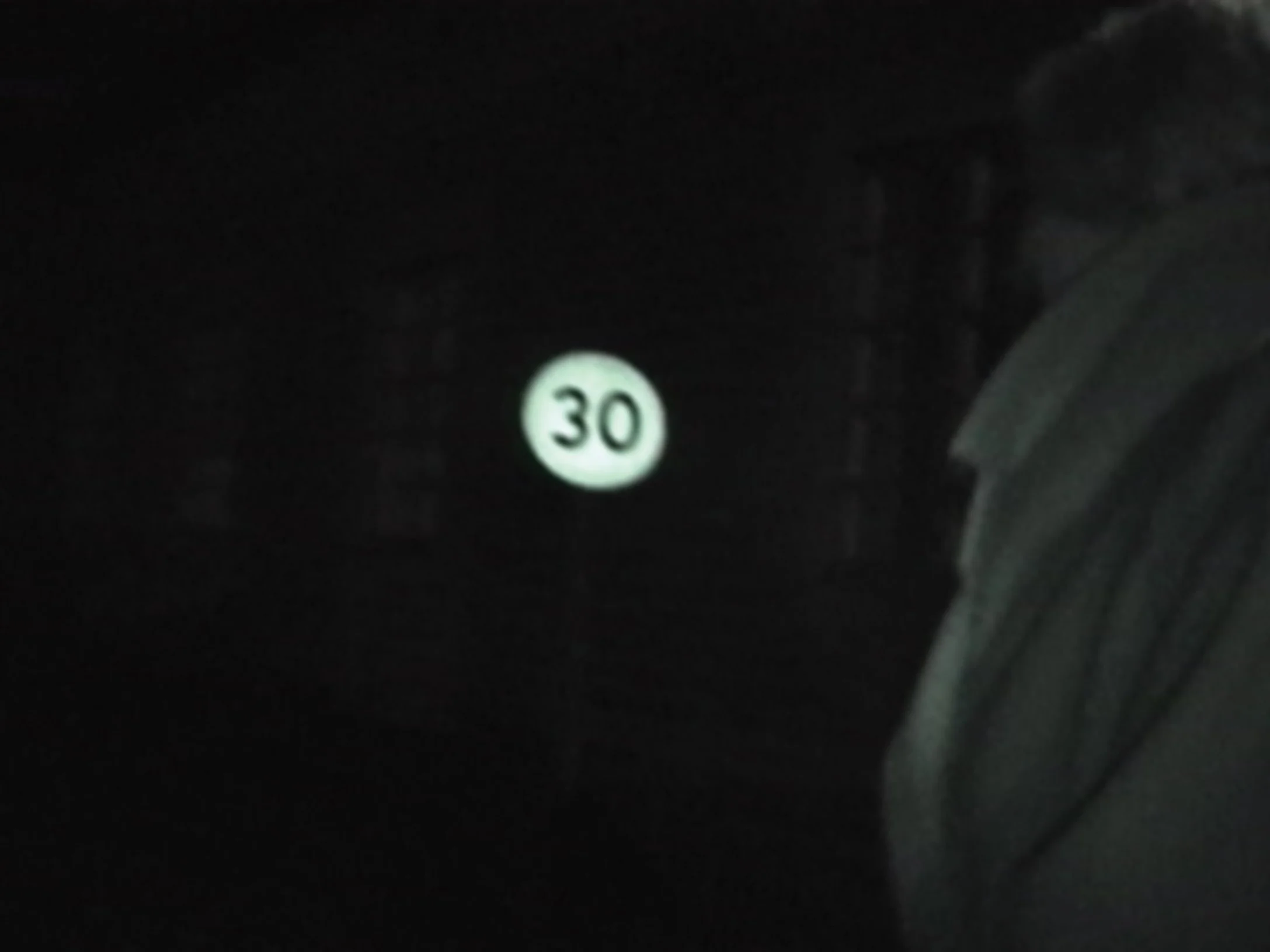
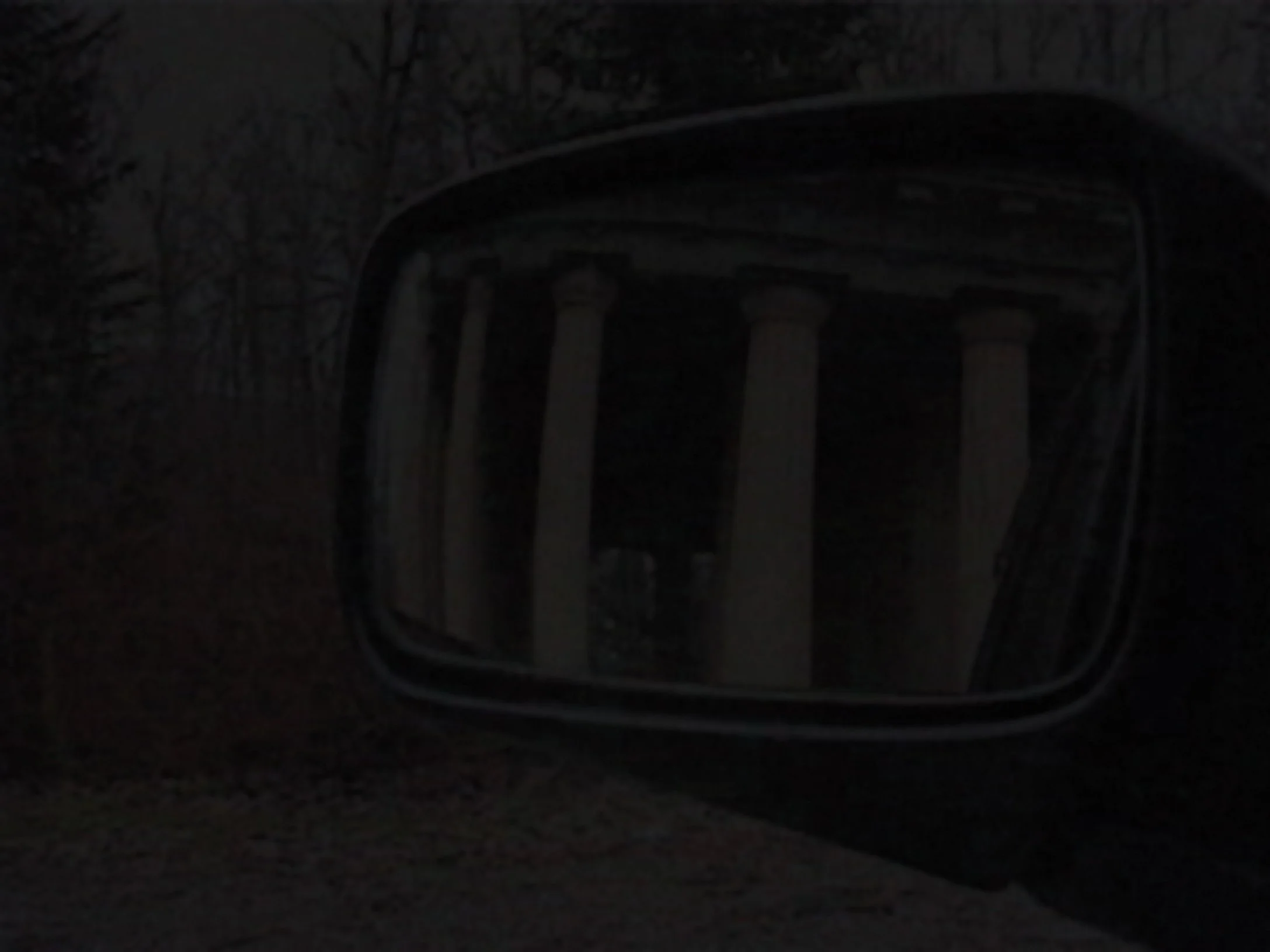
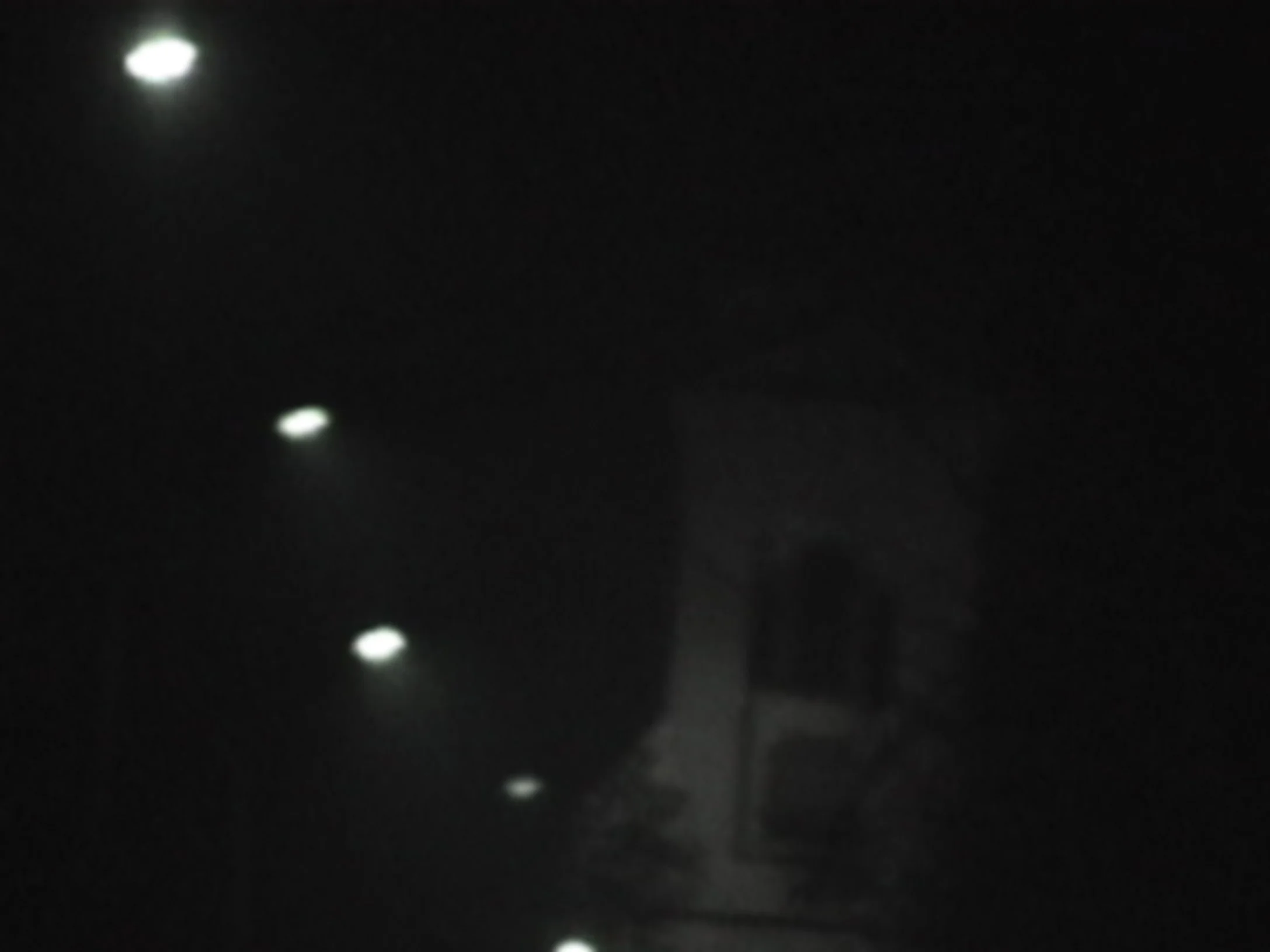
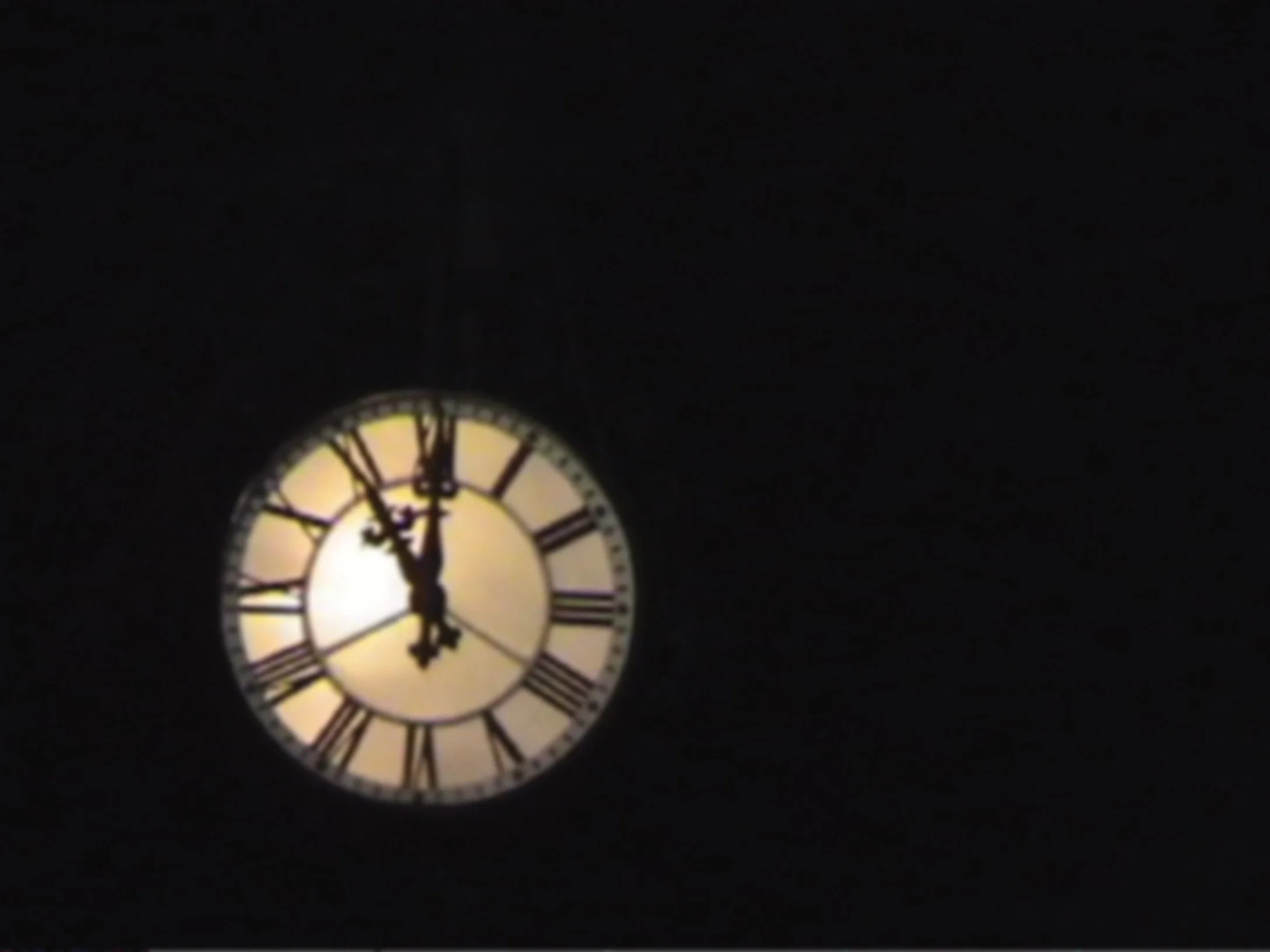
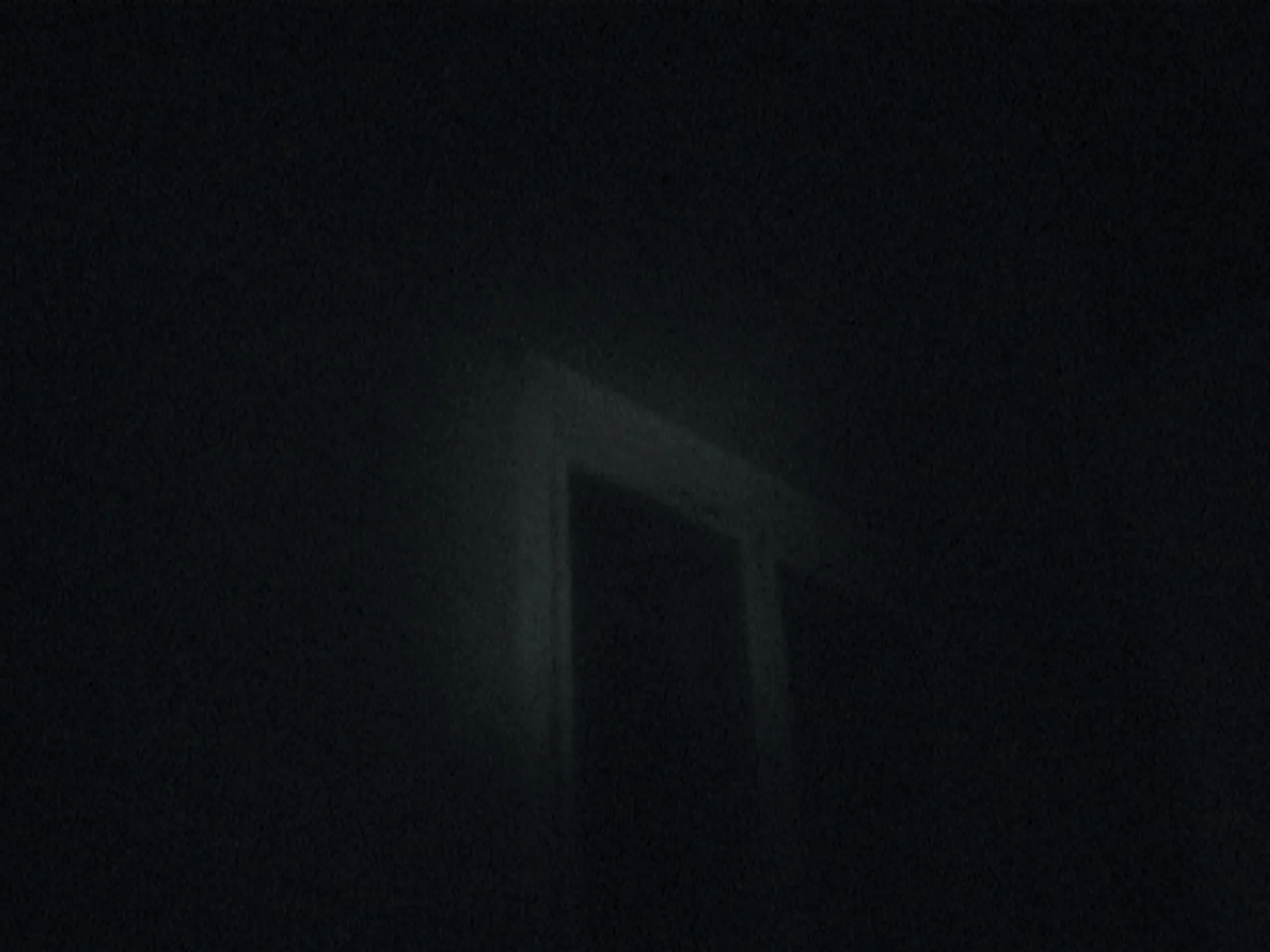
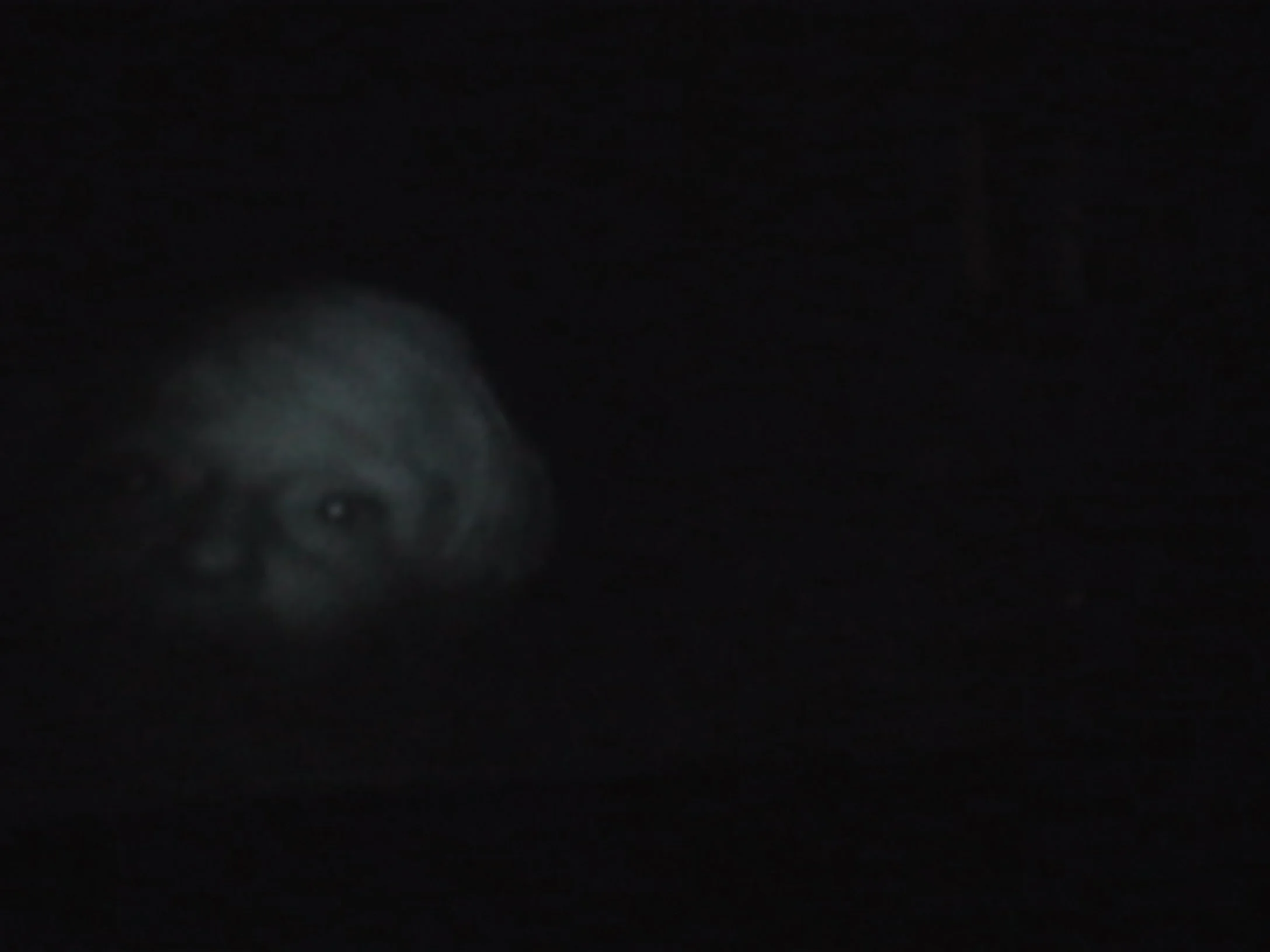
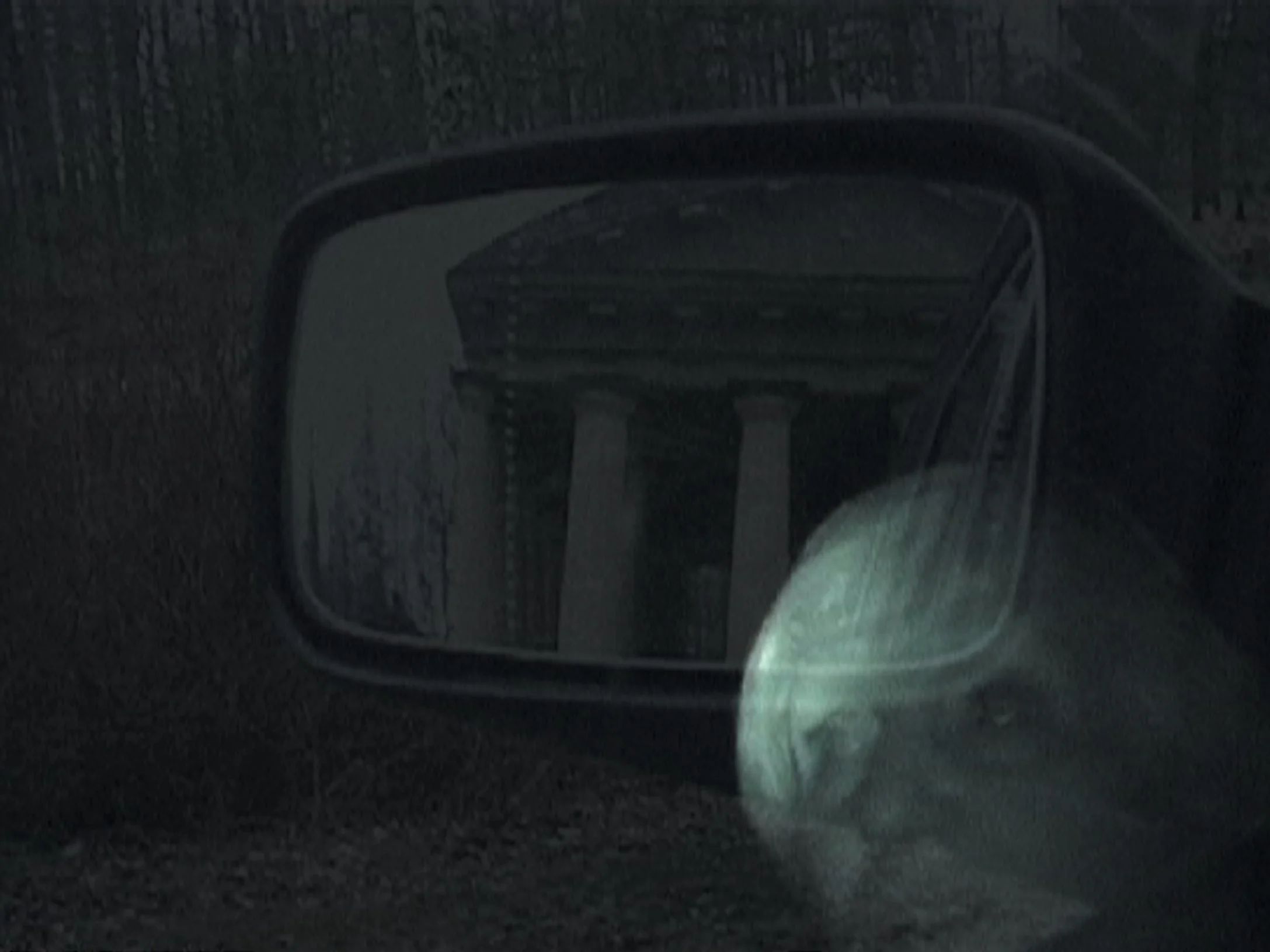
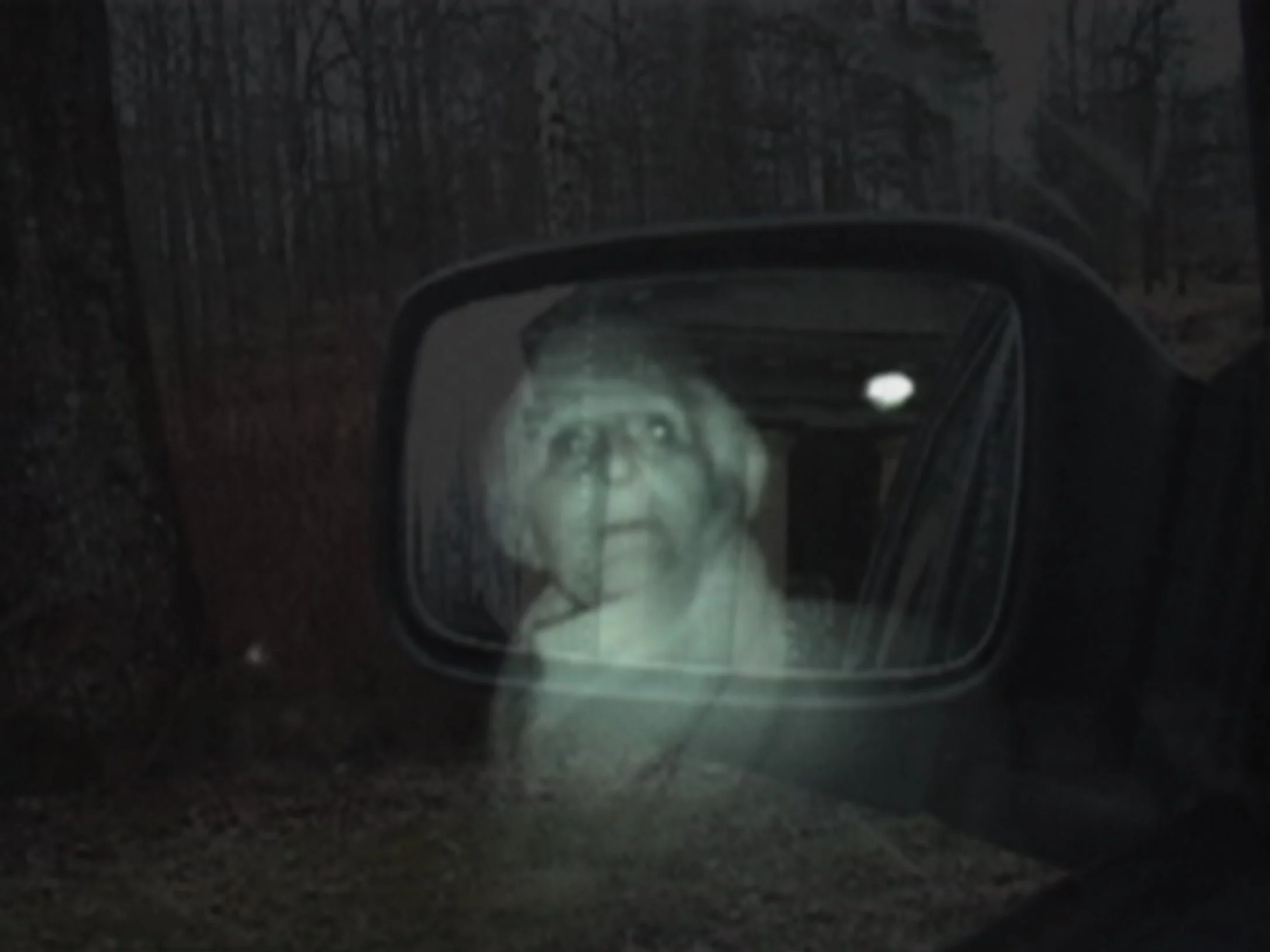
Iris prints made from film stills; part of Aliens In America at Exeter Gallery, Exeter, Massachusetts, 2005
"To articulate the past historically does not mean to recognize it as it really was. It means to seize a memory as it flashes up at a moment of danger." — Walter Benjamin
"We do not have an organ for the I or the we, but we keep to ourselves in the blind spot, in the darkness of the lived moments, whose darkness is ultimately our own darkness, our being unknown, distinguished, or lost, to ourselves." — Ernst Bloch
The need to construct history—to understand the past—can easily become an attempt to make memory solid, fixed, knowable. In the project Söderfors, I intended to approach this impulse gently but critically: to explore a specific place and expose a personal history by recording at night, when the naked eye fails but the camera perceives more than we expect.
Returning to a landscape I had not visited for years, one dense with memories, assumptions, hopes, fears, and melancholia, I wandered through darkness with a camera, allowing the device to see what I could not. This nocturnal roaming became a way to unsettle the linear narration of time—overlapping, disrupting, and reconfiguring what I thought I knew about the past and my place within it.
The rules of remembering were loosened. Meaning, once held in the confines of social and cultural expectations, it was allowed to reassemble itself differently. The work became less about fixing memory in place and more about acknowledging its instability—its refusal to stay still or resolve.
There is no arrival.
There is no solution.
Only the ongoing practice of looking again.