Decomposition of Memory
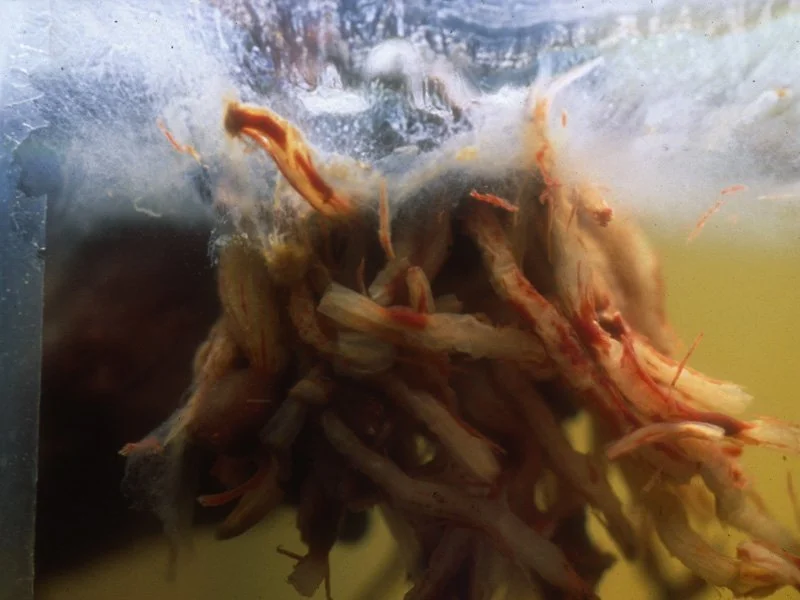
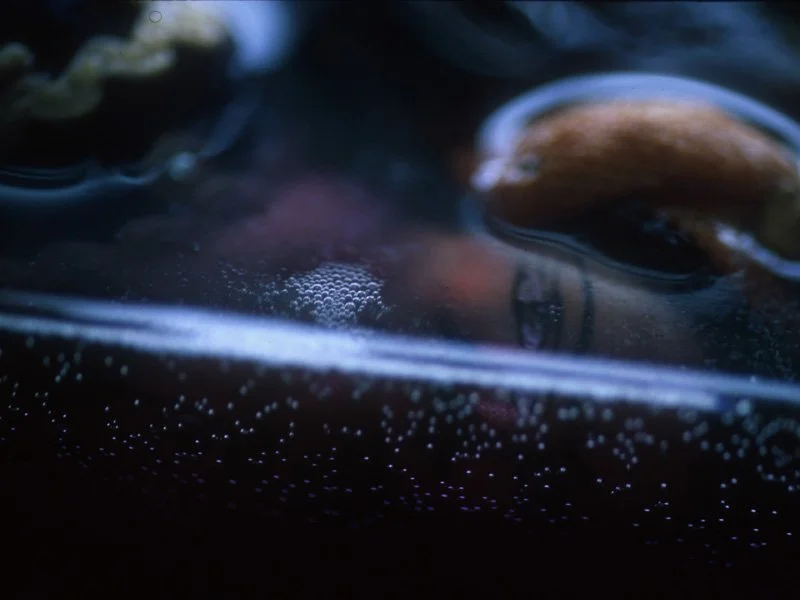
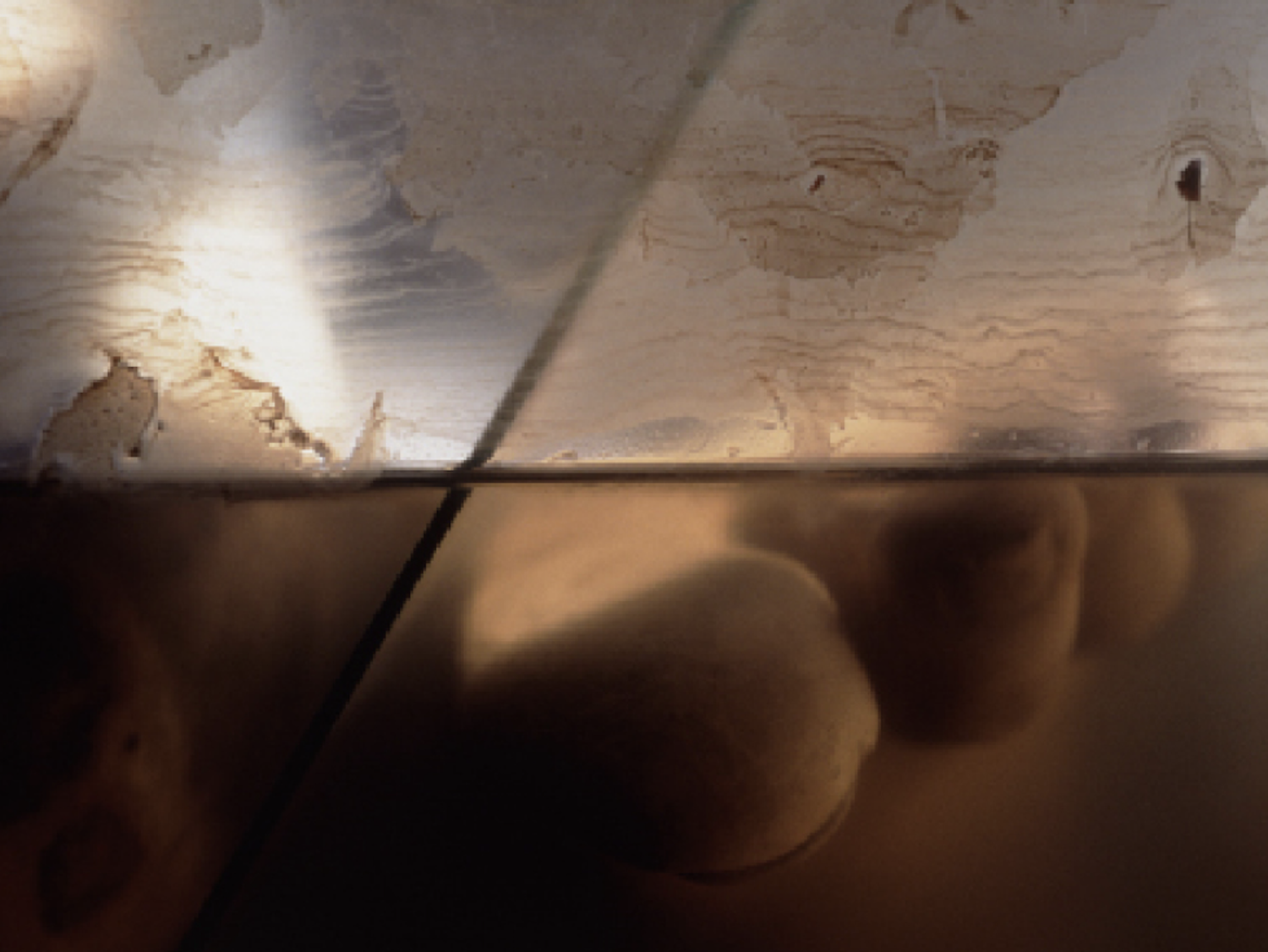
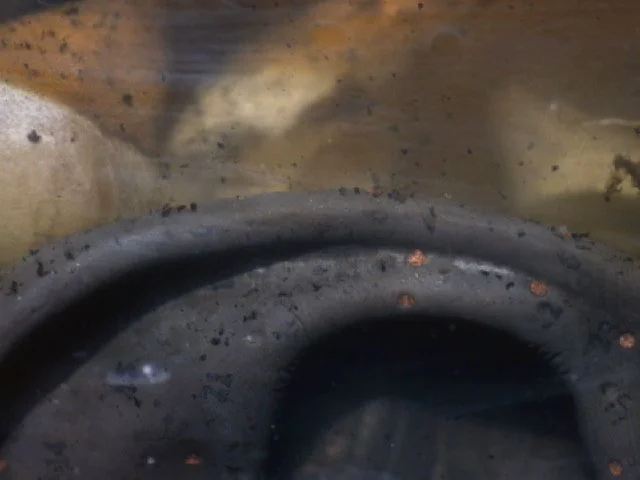
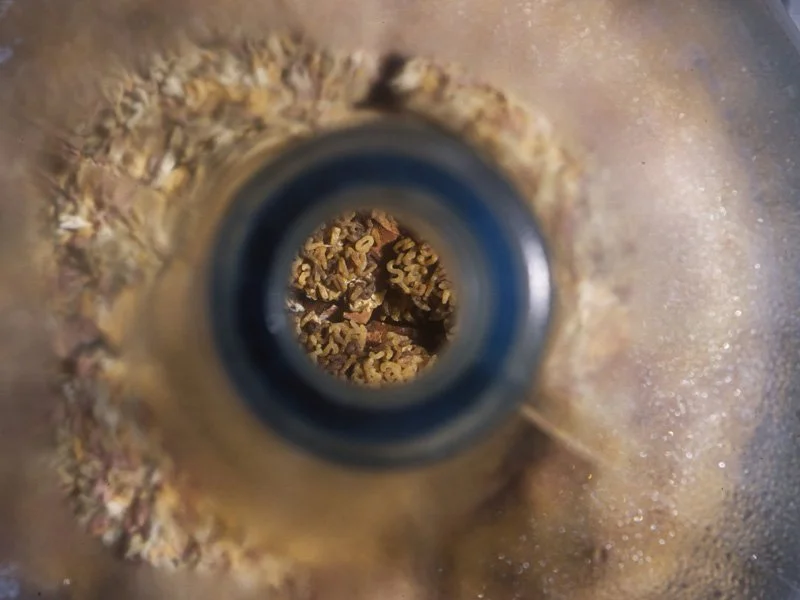
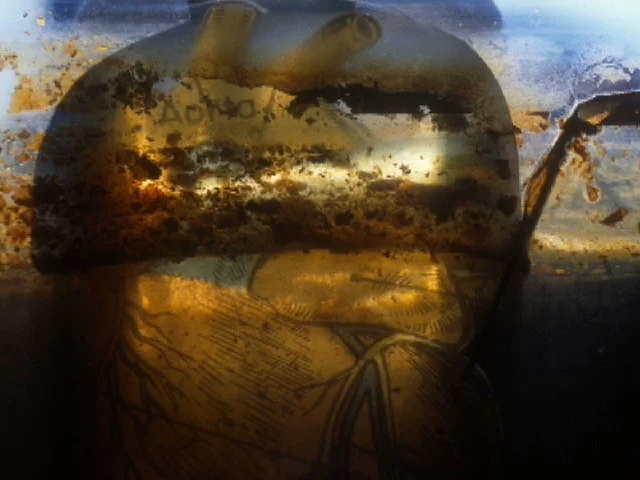
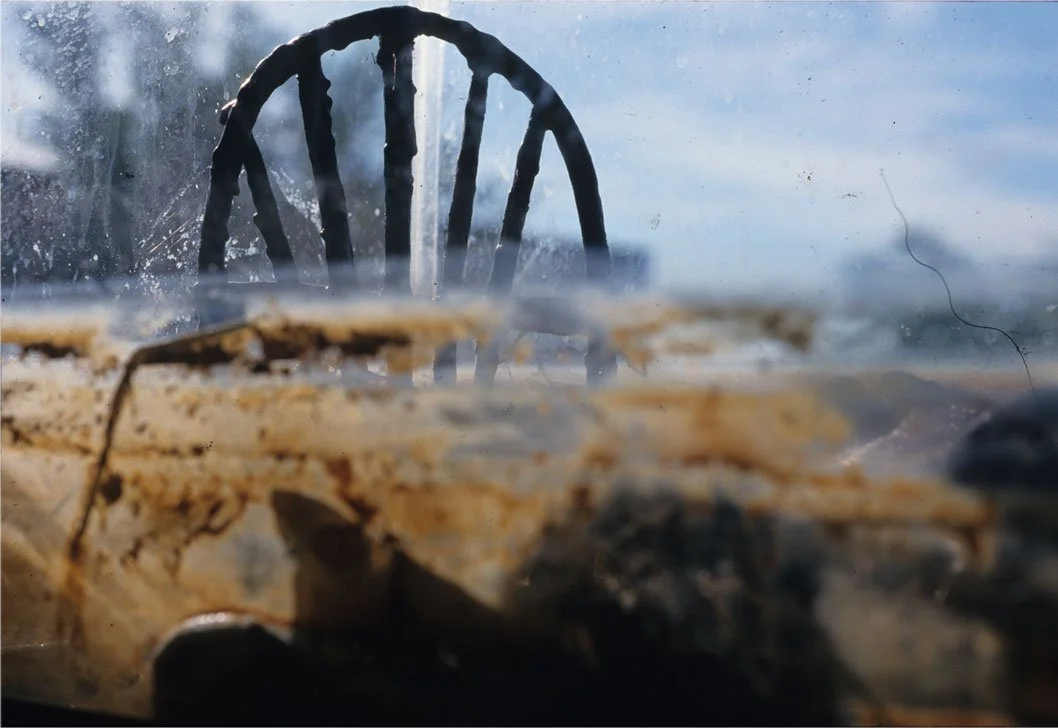
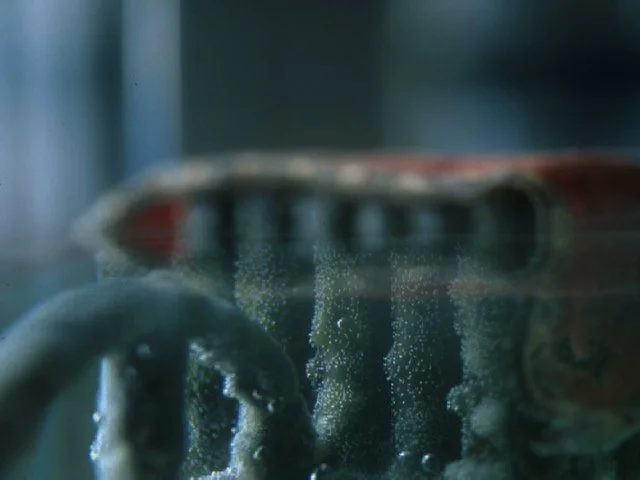
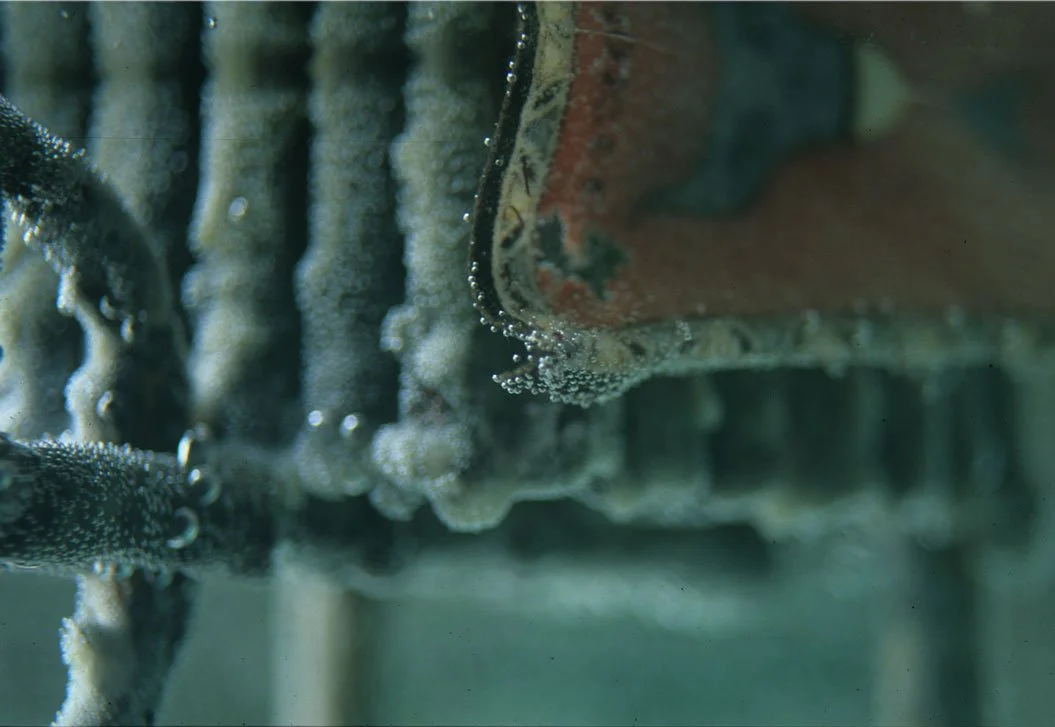
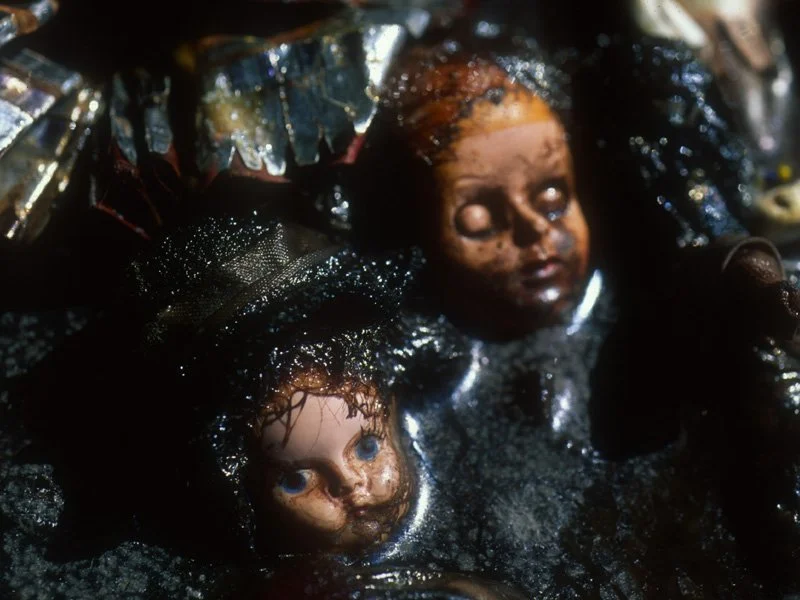
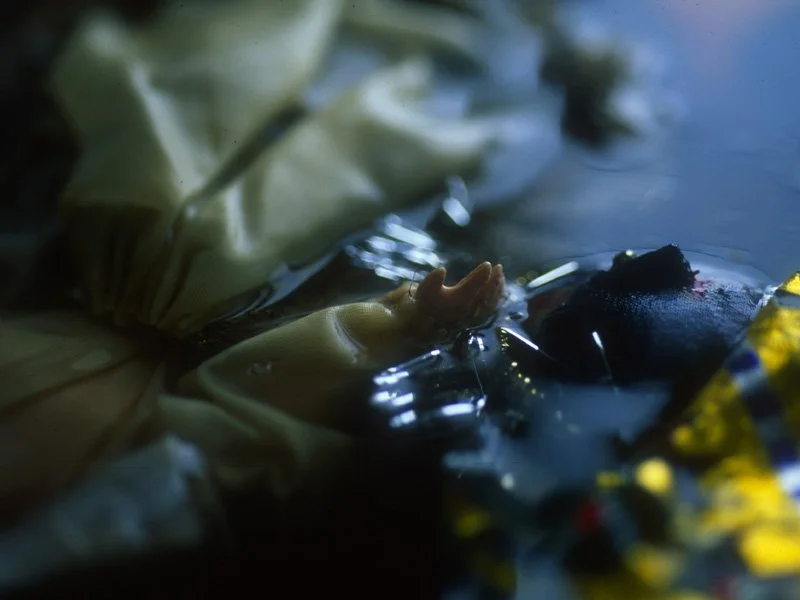
Decomposition of Memory begins as a simple, durational experiment: a container of water placed within an exhibition space. Over time, objects are introduced into the water—small items given to me, found, or collected, along with plant material. Once placed inside, the objects are left undisturbed. Immersed in water, the objects begin to change. Surfaces soften. Colors bleed and dull. Forms sag, collapse, or swell. The process is slow and irreversible, unfolding without intervention. Nothing disappears entirely, but nothing remains intact. Like memory, the objects do not dissolve; they alter, becoming something other than what they once were.
Water acts as both container and agent—holding the objects while quietly undoing them. What had been familiar becomes unstable. Meaning shifts as material integrity weakens. The work unfolds through duration rather than action, through waiting rather than making.
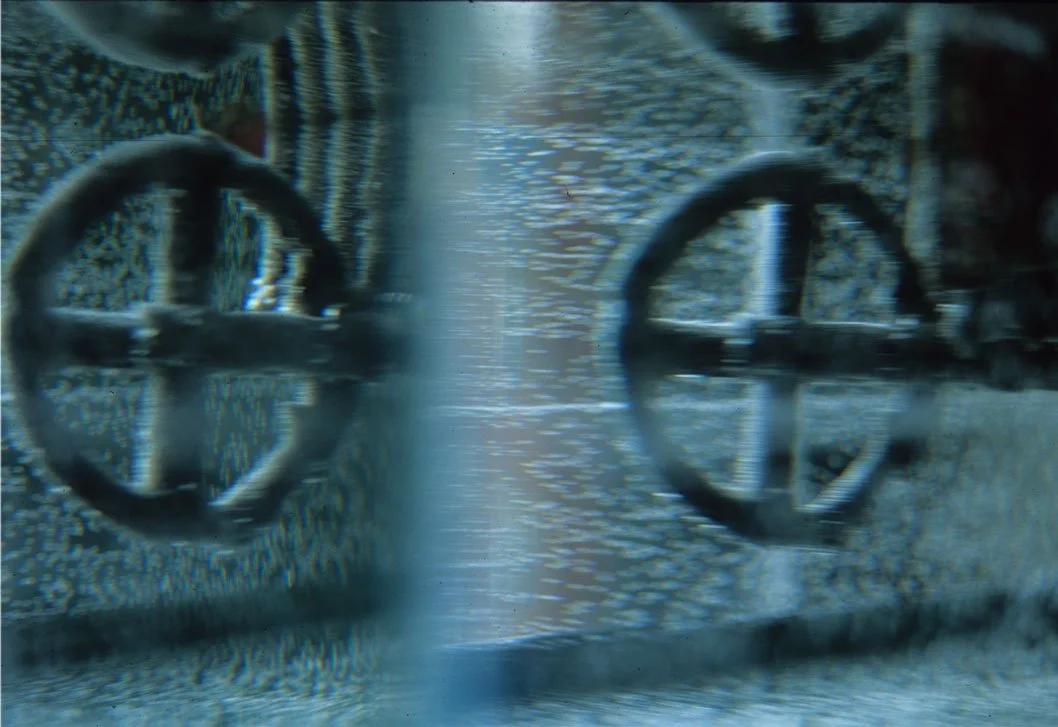
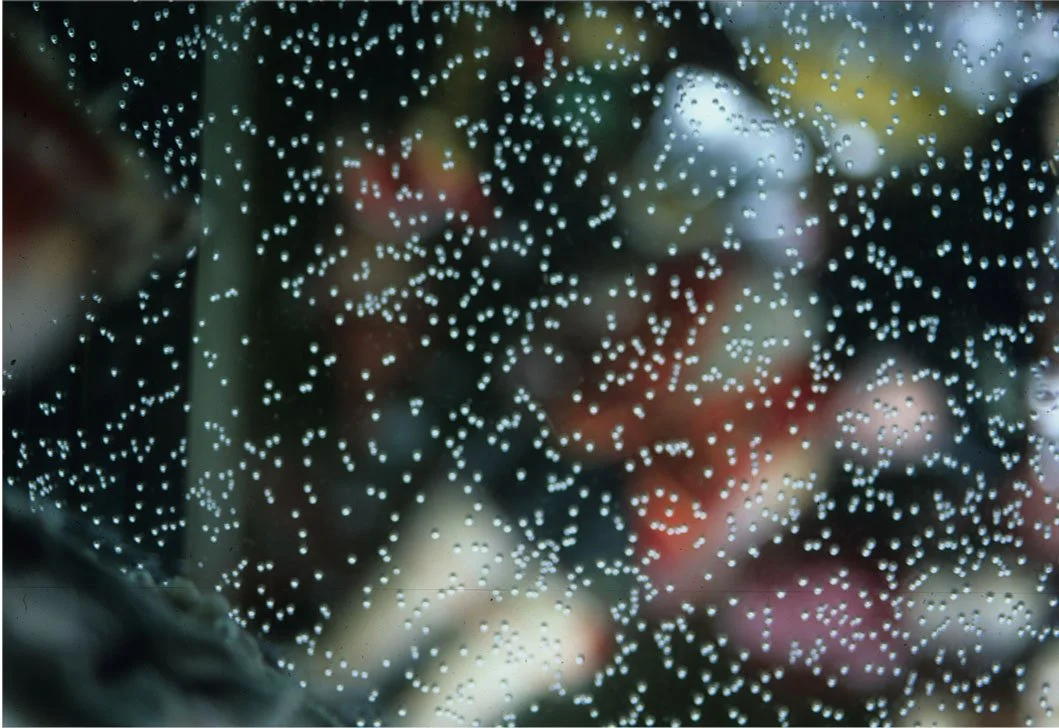
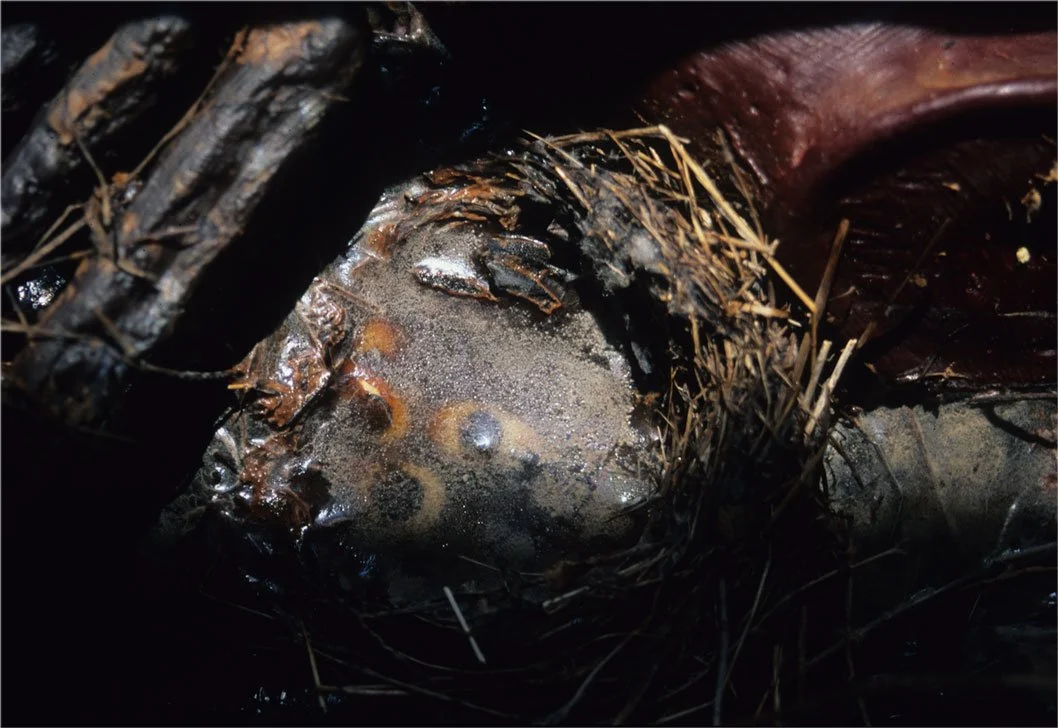
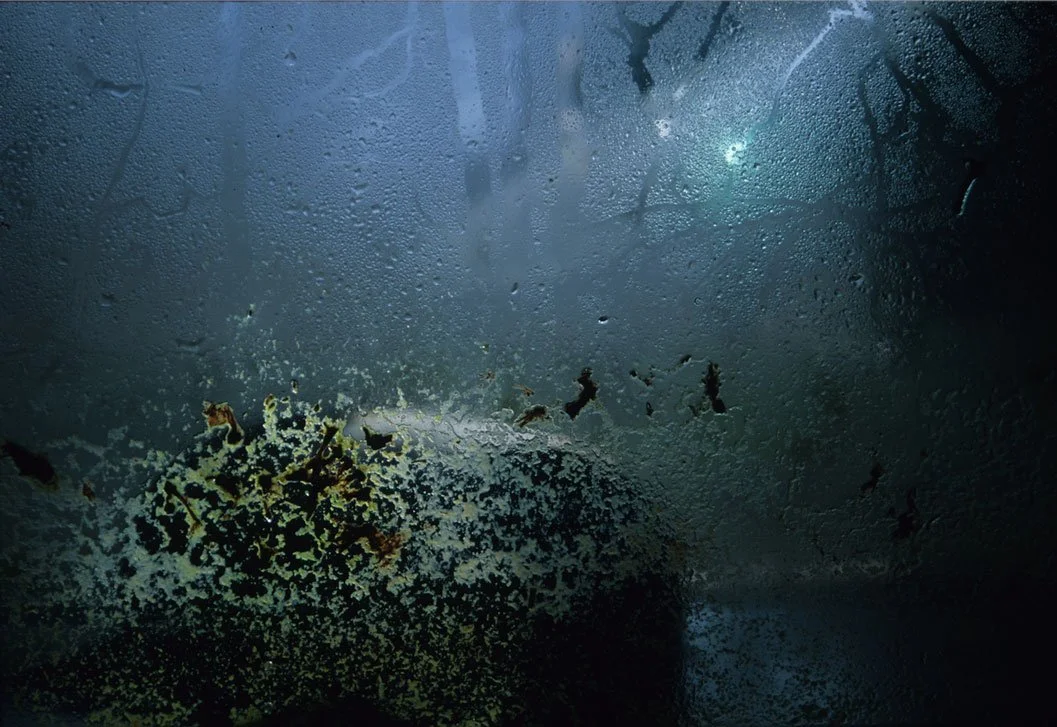
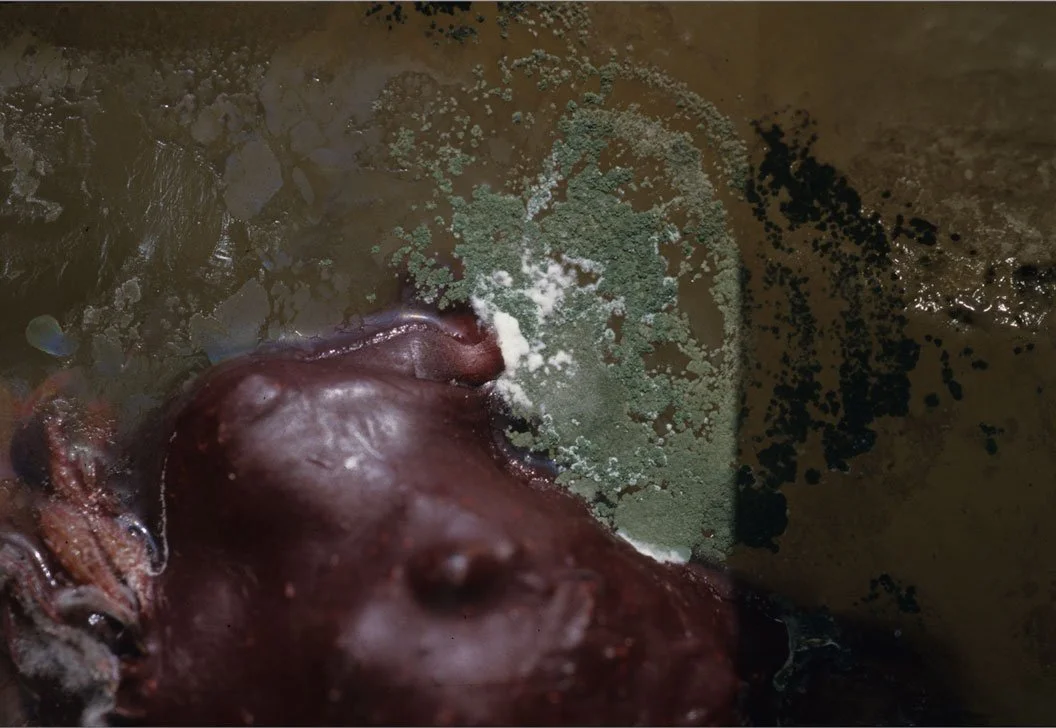
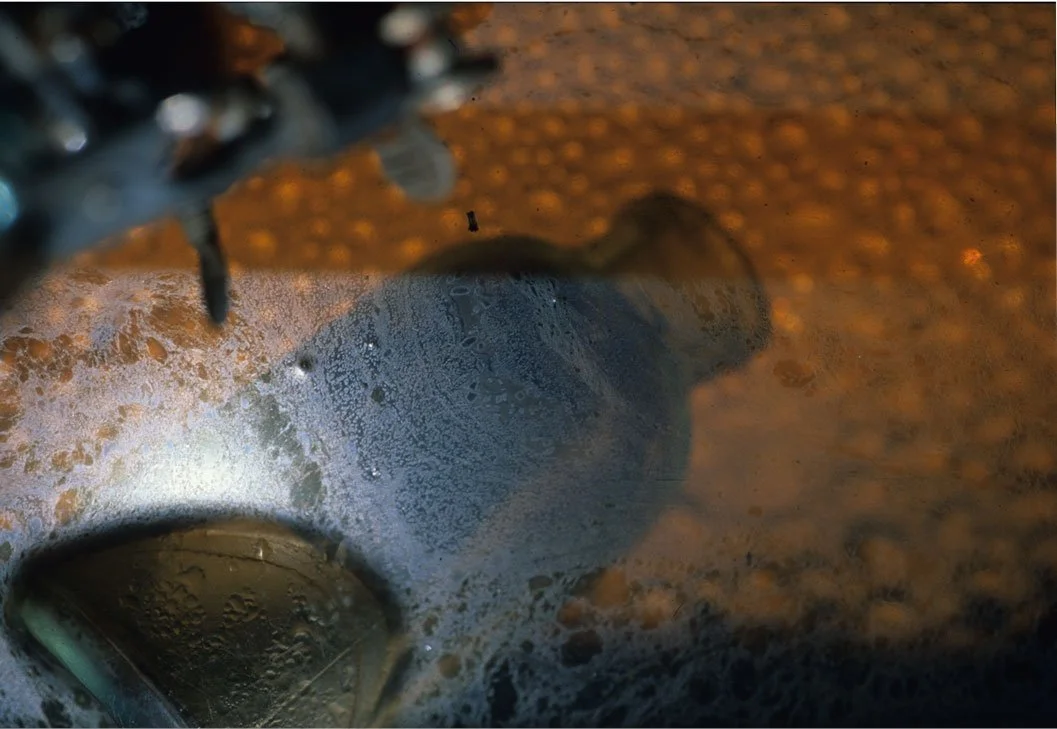
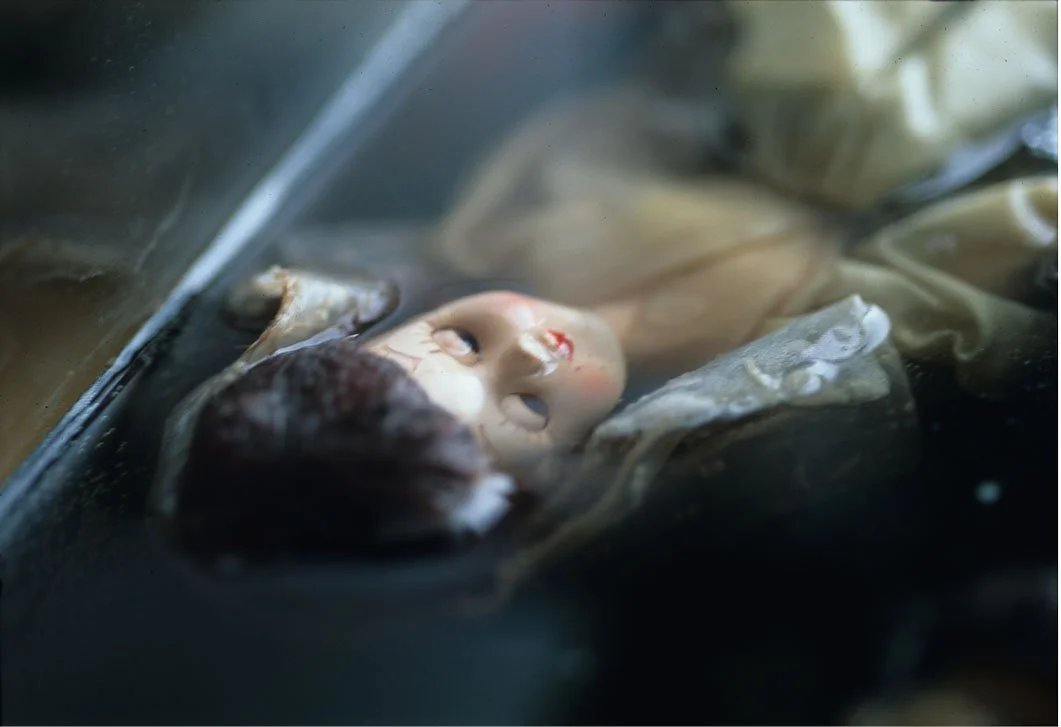
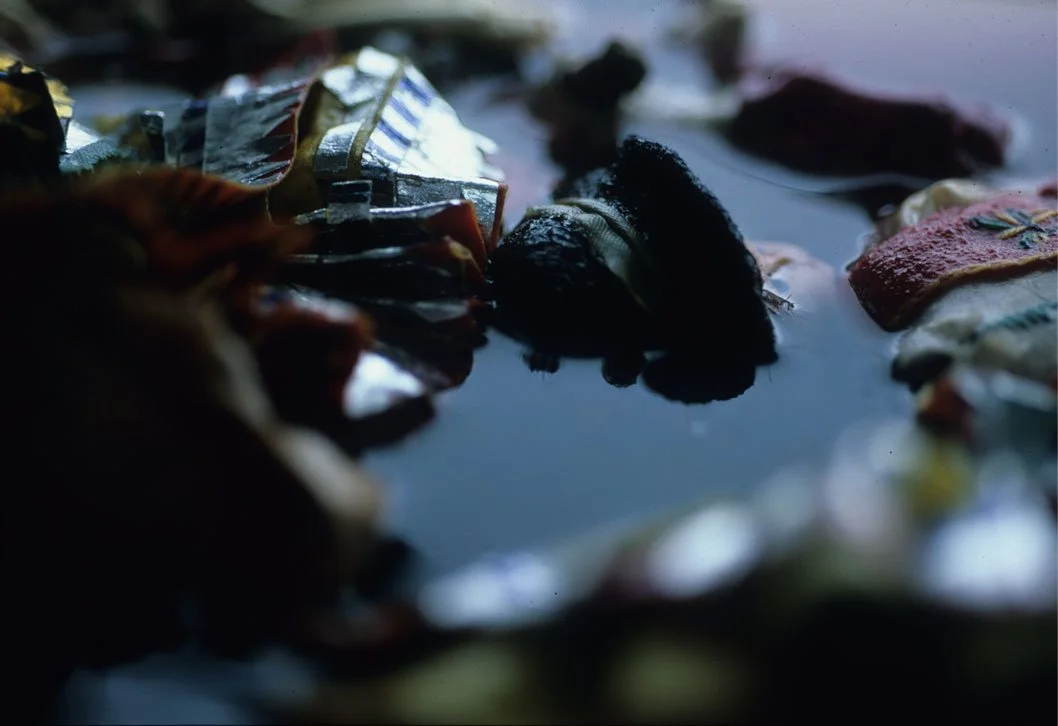
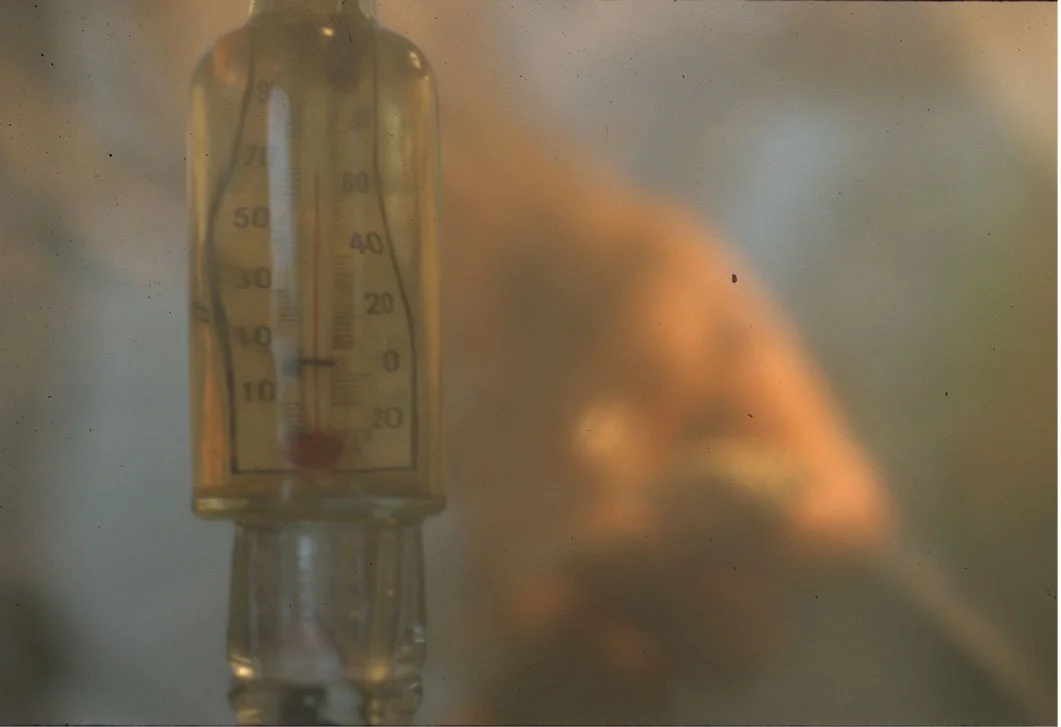
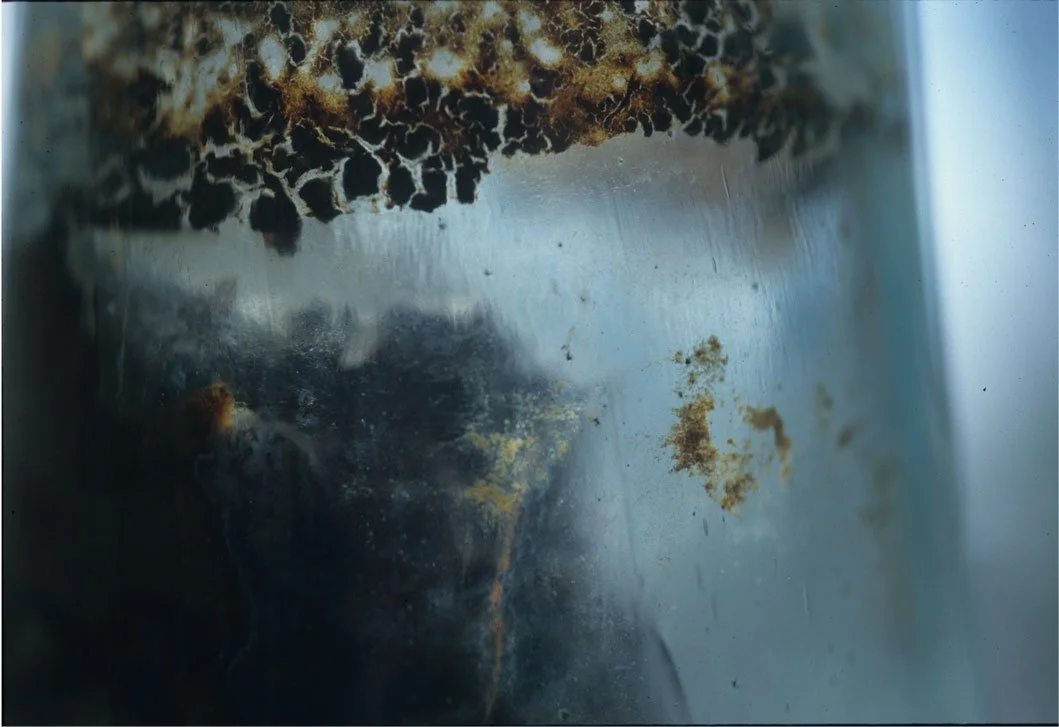
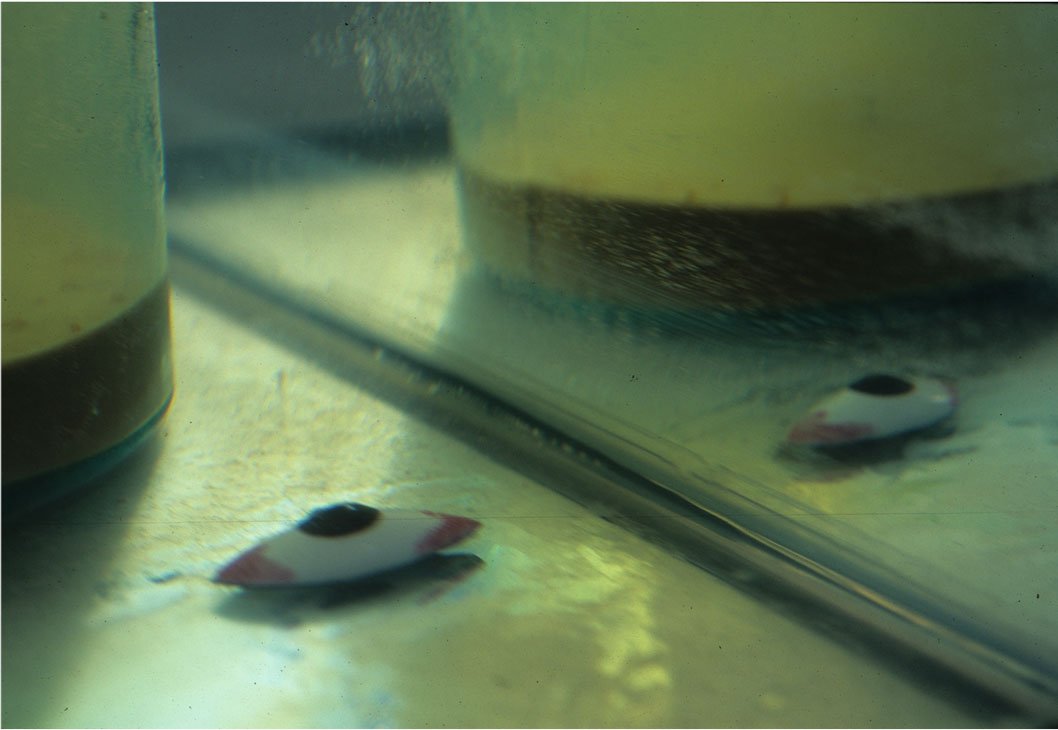
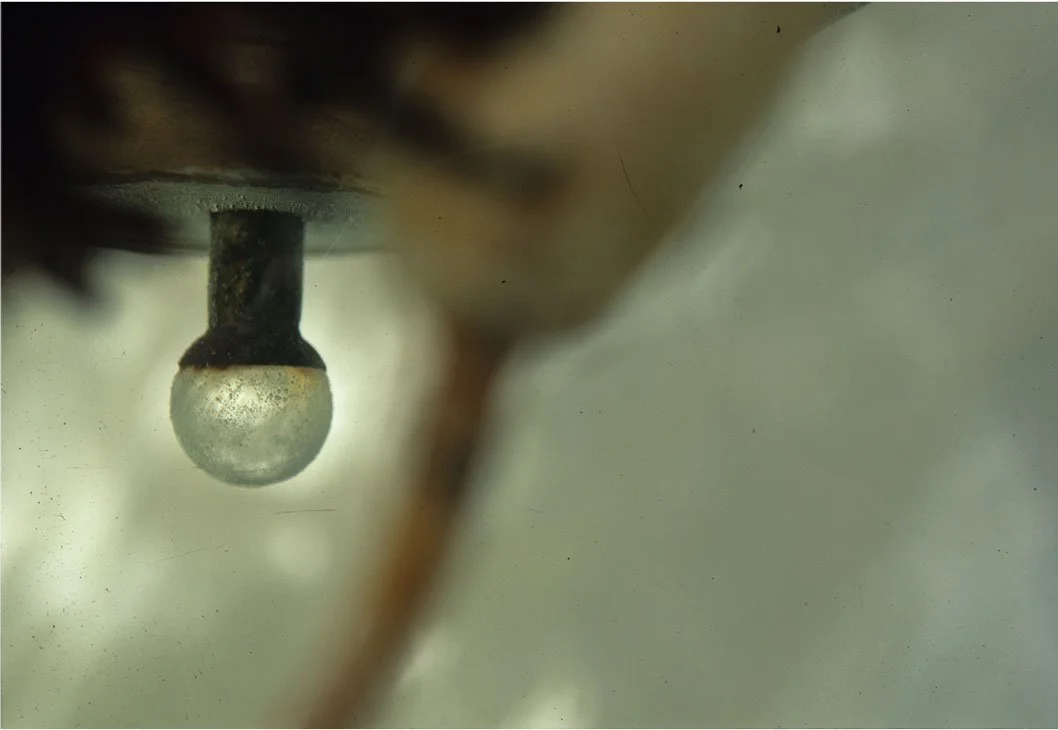
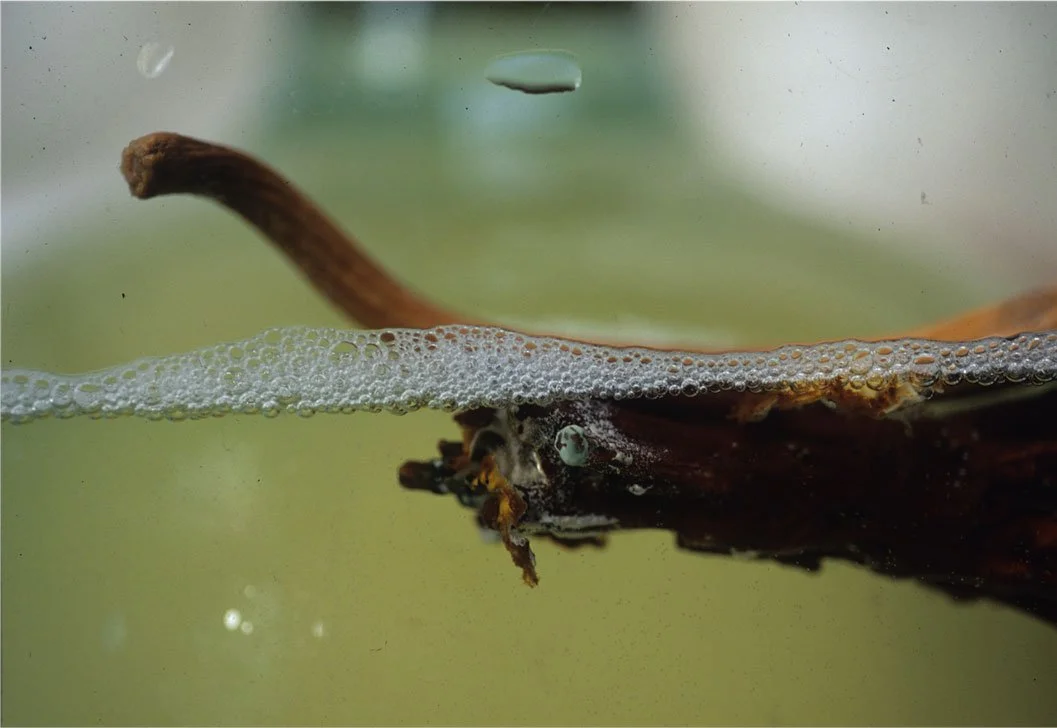
I photograph the water and its contents at various moments, not to fix them in a single state, but to attend to transformation as it occurs. The images register pauses within an ongoing process-objects suspended between past and future, between recognition and loss.
The resulting photographs hold traces of time, material vulnerability, and change. They are records of instability: matter yielding, memory loosening its grip, form slipping gradually toward something unnamed.
This body of work marks the beginning of a longer investigation into transformation as a material and ethical process—how change unfolds through time, exchange, and care. These early experiments with water, decomposition, and restraint later inform Reciprocity Project, where transformation emerges through offering, return, and devotion rather than decay alone.